Tabbouleh
Tabbouleh is a vibrant and refreshing salad that hails from the Levantine region of the Middle East, particularly Lebanon and Syria. This dish is celebrated for its bright flavors and healthy ingredients, making it a perfect addition to any meal. The combination of fresh herbs, vegetables, and bulgur wheat creates a nutritious and satisfying dish that can be enjoyed on its own or as a side. Whether served at summer gatherings or as a light lunch, Tabbouleh is a crowd-pleaser that is both delicious and easy to make.

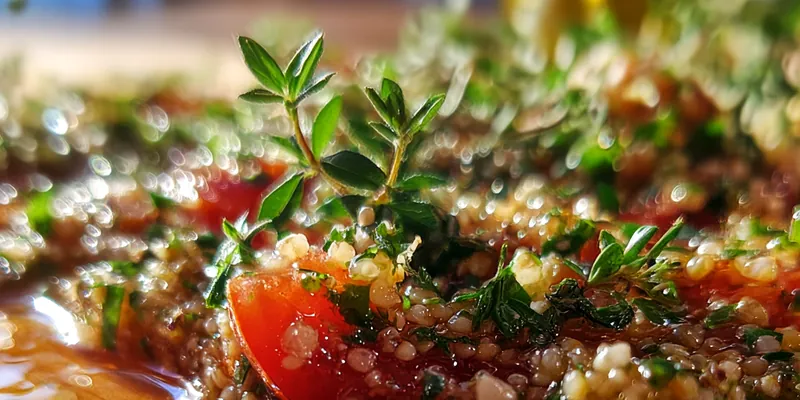
Why This Tabbouleh Works
The success of Tabbouleh lies in its balance of flavors and textures. The bulgur wheat provides a hearty base, while the fresh herbs offer brightness and a burst of flavor. By allowing the bulgur to soak properly, you ensure a light and fluffy texture that pairs perfectly with the crunchy vegetables. The dressing, made from olive oil and lemon juice, adds a delightful tang that elevates the dish. This combination not only makes Tabbouleh delicious but also nutritious, featuring abundant vitamins and minerals.
What sets Tabbouleh apart from other salads is its unique blend of ingredients that reflect the culture of the Mediterranean. The use of parsley as the primary herb is not only traditional but also contributes to the salad's vibrant green color. The addition of mint adds a refreshing note that complements the rich flavors of the olive oil and lemon. Tabbouleh is versatile and can be served as a side dish, a light main course, or even a filling for wraps. Its adaptability makes it a perfect choice for various occasions.
💡 Professional Tip
For the best Tabbouleh, always use fresh ingredients. Look for vibrant parsley and mint, and consider using heirloom tomatoes for added flavor. If time allows, make the salad a few hours in advance to let the flavors meld together even more. Keep in mind that Tabbouleh is best enjoyed fresh, so avoid making it too far ahead of time to maintain the crispness of the vegetables.
Frequently Asked Questions
Yes, you can make Tabbouleh ahead of time! In fact, letting it sit for a few hours allows the flavors to develop and meld together beautifully. However, it's best to add the diced tomatoes just before serving to prevent them from becoming too soggy. Store your prepared Tabbouleh in an airtight container in the refrigerator, and it should be good for up to 2-3 days.
If you need to make substitutions for Tabbouleh, quinoa can replace bulgur wheat for a gluten-free option. For the herbs, you can experiment with basil or cilantro, although this will change the flavor profile. Additionally, you can customize the vegetables based on your preference; bell peppers or radishes can add a nice crunch. Just keep in mind that the traditional flavor comes from parsley and mint.
To know when your Tabbouleh is done, look for the bulgur to be tender and fluffy. You should be able to fluff it with a fork easily. The vegetables should be crisp and fresh, while the herbs should look vibrant and green. A good toss with the dressing will also enhance the overall flavor and make it ready to serve.
Freezing Tabbouleh is not recommended, as the texture of the ingredients can change upon thawing. The fresh herbs and vegetables may become mushy and lose their crispness. If you have leftovers, it's best to store them in the refrigerator and consume them within a few days. If you're looking to make it in bulk, consider preparing the bulgur and dressing separately and combining them with fresh ingredients when ready to serve.
Tabbouleh pairs wonderfully with grilled meats like chicken or lamb, making it a perfect side dish for a Mediterranean feast. It also complements pita bread and hummus beautifully, creating a light and refreshing meal. For a vegetarian option, serve it alongside falafel or as a filling in wraps. Tabbouleh can also be enjoyed on its own as a light lunch or snack.
Store Tabbouleh in an airtight container in the refrigerator for up to 2-3 days. The flavors will continue to develop, but the vegetables may begin to lose their crispness over time. It's best enjoyed fresh, so try to consume it within this time frame for the best taste and texture. If you notice any signs of spoilage, such as an off smell or discoloration, it's best to discard it.
Tabbouleh is traditionally a mild dish, but you can adjust the spice level to your liking. If you prefer a bit of heat, consider adding finely chopped jalapeño or a pinch of cayenne pepper to the dressing. Alternatively, serve it with a side of spicy harissa or your favorite hot sauce to add a kick when serving. Just remember to balance the flavors so that the freshness of the herbs still shines through.
Tabbouleh is best served cold and does not require reheating. If you have leftovers, simply remove them from the refrigerator and give it a gentle toss to redistribute the flavors. If you prefer it at room temperature, let it sit out for about 20-30 minutes before serving. Avoid microwaving, as this can make the fresh ingredients soggy.
Recipe Troubleshooting Guide
Too Dry
Problem: If your Tabbouleh turns out too dry, it may be due to insufficient soaking of the bulgur wheat.
Solution: To remedy this, simply add a little more olive oil or lemon juice to the salad. You can also sprinkle a small amount of water over the salad and toss it gently to moisten the ingredients without compromising the flavor.
Not Crispy
Problem: If your Tabbouleh lacks crispness, the vegetables may have been chopped too early or stored improperly.
Solution: Always chop your vegetables just before mixing them with the bulgur to maintain their crunch. If they’ve already become soggy, you can try adding fresh, chopped cucumber to revive the texture.
Overcooked
Problem: Overcooking bulgur can lead to a mushy Tabbouleh that lacks structure.
Prevention: To avoid this, ensure you only soak the bulgur for the recommended time and check for tenderness. If you have overcooked it, consider adding more fresh ingredients to balance the texture.
Undercooked
Problem: If your bulgur is still hard or crunchy, it hasn't absorbed enough water.
Recovery: Add a bit more boiling water to the bulgur and let it sit covered for an additional 10-15 minutes until it softens. Fluff with a fork before mixing with the other ingredients.
Burnt
Problem: If your Tabbouleh has a burnt flavor, it may be due to using old or rancid olive oil.
Prevention: Make sure to use fresh, high-quality olive oil, as it greatly affects the flavor of the salad. If you detect a burnt taste, consider preparing a new batch with fresh ingredients.
Flavor Balance
Too Sweet: If your Tabbouleh tastes too sweet, it may be due to an excess of tomatoes or not enough acidity.
Too Salty: If the salad is too salty, reduce the amount of salt you add in the future and balance with more fresh vegetables.
Bland: To fix bland Tabbouleh, consider adding more lemon juice or a splash of vinegar for brightness.
Key Ingredients
The main ingredients in Tabbouleh include bulgur wheat, which is a whole grain that adds a nutty flavor and chewy texture. Fresh parsley and mint are the stars of this salad, providing both color and aromatic freshness. Tomatoes and cucumbers add a refreshing crunch, while red onion brings a mild sharpness. These ingredients come together to create a harmonious balance in every bite, making Tabbouleh not just a side dish, but a highlight of any meal.
Seasonings in Tabbouleh are simple yet impactful. The dressing, made with olive oil and lemon juice, enhances the freshness of the vegetables while providing healthy fats. Salt and pepper are added to taste, ensuring each ingredient shines through. Optional spices like cumin can be introduced for an additional layer of flavor, but the classic version relies on the natural tastes of the fresh ingredients.
Essential Ingredient Notes
- Main Ingredient: Bulgur wheat is the foundation of Tabbouleh, providing both texture and nutrition. It's a whole grain that is high in fiber and protein, making it a healthy choice. When selecting bulgur, opt for fine or medium grind for the best results. Always rinse it before soaking to remove any impurities and ensure the best flavor.
- Second Key Ingredient: Fresh parsley is essential in Tabbouleh, accounting for the majority of the salad's volume. It’s rich in vitamins A, C, and K, contributing to the salad's healthy profile. When chopping parsley, use a sharp knife to avoid bruising the leaves and losing flavor. The more finely you chop it, the more it will release its aromatic oils, enhancing the overall taste.
- Essential Seasoning: Lemon juice is a crucial seasoning in Tabbouleh, adding brightness and acidity that help balance the flavors. Freshly squeezed lemon juice is preferred for its vibrant flavor compared to bottled varieties. The acidity of the lemon juice complements the earthiness of the bulgur and the freshness of the herbs. Adjust the amount based on your personal preference for tanginess.
Cooking Process
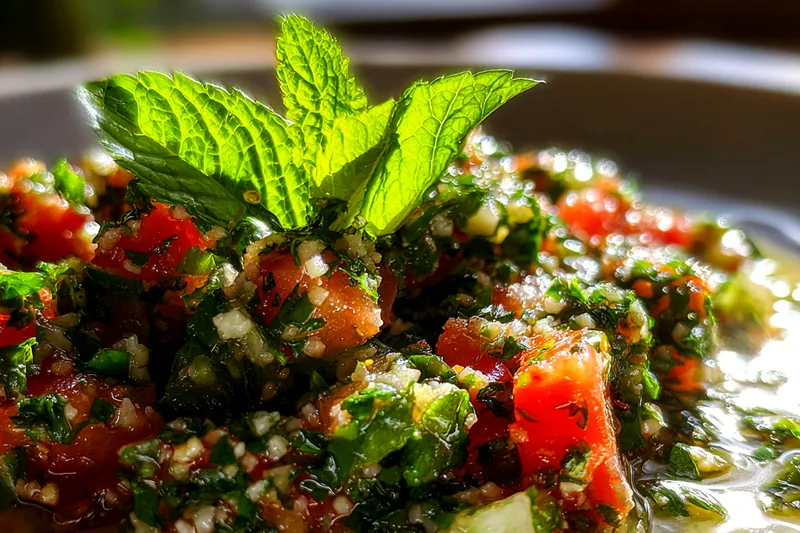
The cooking process for Tabbouleh is simple and straightforward, focusing on the preparation of the bulgur. Start by combining bulgur wheat with boiling water, allowing it to soak until tender. While the bulgur absorbs the water, prepare the fresh herbs and vegetables, ensuring they are chopped finely for the best texture. This multitasking approach not only saves time but also keeps the ingredients fresh and vibrant.
Once everything is ready, combine the bulgur with the chopped vegetables and herbs. Dress the salad with olive oil and lemon juice, then taste and adjust the seasoning. The key is to toss gently to avoid bruising the herbs while ensuring an even distribution of flavors. Letting the Tabbouleh sit for a bit before serving allows the flavors to meld, creating a deliciously refreshing salad.
Key Technique
One of the key techniques in making Tabbouleh is the proper soaking of bulgur wheat. This step ensures that the grain is tender and fluffy, which is essential for the salad's texture. Additionally, chopping the herbs and vegetables finely helps release their flavors and contributes to a pleasant eating experience. Lastly, allowing the salad to rest after mixing gives time for the flavors to meld, enhancing the overall taste.
Tabbouleh
📋 Ingredients
Main Ingredients
- 3 tablespoons olive oilAdds rich flavor and healthy fats
- 2 tablespoons lemon juiceProvides acidity and brightness
- Salt and pepper to tasteEnhances overall flavor
Sauce/Seasoning
- 1 cup bulgur wheatBase of the salad
- 2 cups boiling waterTo soak the bulgur
- 1/2 cup fresh parsley, finely choppedMain herb for flavor
- 1/4 cup fresh mint, finely choppedAdds freshness
- 1 large tomato, dicedFor crunch and sweetness
- 1 cucumber, dicedFor refreshing texture
- 1/4 cup finely chopped red onionAdds sharpness
Instructions
Prepare the Bulgur
In a large bowl, combine the bulgur wheat and boiling water. Cover the bowl with a lid or plastic wrap and let it sit for about 30 minutes until the bulgur has absorbed the water and is tender.
Chop the Vegetables
While the bulgur is soaking, finely chop the parsley, mint, tomatoes, cucumber, and red onion. Make sure to use fresh herbs for the best flavor.
Combine Ingredients
Once the bulgur is ready, fluff it with a fork to separate the grains. Add the chopped vegetables and herbs to the bulgur in the bowl.
Dress the Salad
In a small bowl, whisk together the olive oil, lemon juice, salt, and pepper. Pour this dressing over the bulgur and vegetable mixture, and gently toss to combine.
Adjust Seasoning
Taste the salad and adjust the seasoning as needed. If desired, add a touch of cumin for an extra layer of flavor.
Chill and Serve
Allow the Tabbouleh to chill in the refrigerator for at least 15 minutes before serving. This will help the flavors meld together beautifully.
Recipe Notes & Tips
Storage Tips
To keep Tabbouleh fresh, store it in an airtight container in the refrigerator. It is best consumed within 2-3 days for optimal texture and flavor. If the salad becomes too dry, simply add a little olive oil or lemon juice before serving.
Serving Ideas
Serve Tabbouleh as a refreshing side to grilled meats, or as part of a larger mezze platter. It can also be enjoyed on its own as a light lunch. For a fun twist, try using it as a filling in wraps or pita pockets.
Variations
Feel free to customize your Tabbouleh by adding other ingredients like bell peppers, radishes, or chickpeas for extra protein. You can also experiment with different herbs, such as cilantro or basil, for a unique flavor. For a spicier version, add diced jalapeños or red pepper flakes.