Spinach Sautéed with Garlic & Olive Oil
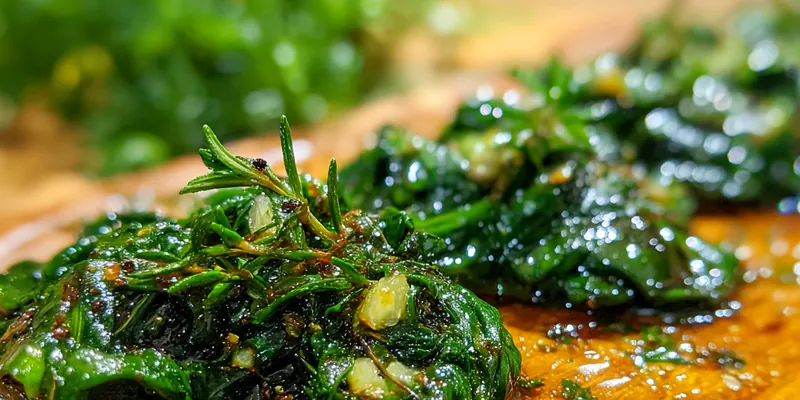
Spinach Sautéed with Garlic & Olive Oil is a simple yet flavorful dish that brings out the best in fresh spinach. This recipe highlights the vibrant green leaves, enhanced by the robust flavors of garlic and the richness of olive oil. Perfect for a quick weeknight side or a healthy addition to any meal, it’s both nutritious and satisfying. With minimal ingredients and effort, you can create a dish that not only tastes great but also offers numerous health benefits. Spinach is packed with vitamins, minerals, and antioxidants, making this sauté a guilt-free indulgence.

Why This Spinach Sautéed with Garlic & Olive Oil Works
The technique of sautéing spinach quickly in olive oil allows it to retain its nutrients while providing a delightful texture. The key is to cook the spinach just until it wilts, which keeps it vibrant and green. Garlic adds depth and flavor, creating a perfect balance with the mild taste of spinach. This method is not only quick but also elevates the dish from simple to extraordinary. The addition of lemon juice at the end brightens the flavor profile, making each bite refreshing.
What makes this recipe special is its simplicity. With just a few ingredients, it delivers maximum flavor and nutritional benefits. Fresh spinach is rich in iron and vitamins A and C, while olive oil provides healthy fats. This combination makes it a great dish for those looking to eat healthily without sacrificing taste. Whether you're serving it as a side or incorporating it into a main meal, it’s sure to please any palate.
💡 Professional Tip
For the best results, always choose fresh spinach over frozen. Fresh spinach has a better texture and taste, enhancing the overall dish. Additionally, consider using a good quality olive oil, as it significantly impacts the flavor. If you want a bit of crunch, add some toasted pine nuts or walnuts at the end. Experiment with different herbs and seasonings to customize the dish to your liking.
Frequently Asked Questions
Yes, you can prepare the sautéed spinach ahead of time. However, it's best to serve it fresh for optimal flavor and texture. If you do make it ahead, store it in an airtight container in the refrigerator for up to 2 days. When reheating, do so gently on a low flame to avoid overcooking the spinach. The goal is to warm it up without losing its vibrant color and taste.
If you don’t have fresh spinach, you can use other greens like kale or Swiss chard, although cooking times may vary. For those avoiding garlic, shallots or onions can be a good alternative. Additionally, if you're looking to reduce fat, you can use a cooking spray instead of olive oil, though the flavor will not be as rich. Feel free to experiment with different herbs like basil or parsley for added flavor.
The spinach is done when it has wilted significantly but still retains a vibrant green color. This usually takes about 3-5 minutes of sautéing. Avoid cooking it too long, as overcooked spinach can become mushy and lose its nutrients. The garlic should also be golden and fragrant, indicating that it’s ready. Remember, the goal is to achieve a tender yet bright result.
It is not recommended to freeze sautéed spinach as it may become mushy upon thawing. However, if you must, allow it to cool completely before placing it in a freezer-safe container. Use within 2-3 months for the best quality. When ready to eat, thaw it in the refrigerator and then reheat gently. Keep in mind that the texture will not be the same as when fresh.
This sautéed spinach pairs wonderfully with grilled chicken, fish, or steak as a healthy side. It can also be served alongside pasta dishes or incorporated into grain bowls for added nutrition. For a vegetarian option, serve it with quinoa or couscous. Additionally, it makes a great topping for pizzas or flatbreads, adding a nutritious twist.
Sautéed spinach can be stored in the refrigerator for up to 2 days in an airtight container. Make sure it has cooled down before sealing to prevent moisture buildup. If you notice any signs of spoilage, such as an off smell or discoloration, it's best to discard it. When ready to eat, simply reheat it on the stovetop or in the microwave.
You can easily adjust the spice level to your preference. To make it milder, simply omit the red pepper flakes. If you enjoy more heat, increase the amount of red pepper or add a dash of hot sauce after cooking. Experimenting with other spices like cayenne pepper can also enhance the heat. Always taste as you go to ensure you achieve your desired flavor profile.
The best way to reheat sautéed spinach is on the stovetop over low heat. This method allows for even warming without overcooking. Stir frequently to maintain the texture and prevent sticking. If using a microwave, place it in a microwave-safe container and heat in short intervals, stirring in between. This way, you can avoid making the spinach soggy.
Recipe Troubleshooting Guide
Too Dry
Problem: If your sautéed spinach turns out too dry, it may have been cooked for too long or at too high a temperature.
Solution: To remedy this, add a little more olive oil while reheating. Alternatively, a splash of vegetable broth or water can help moisten the dish without compromising flavor.
Not Crispy
Problem: If the spinach is not crispy, it may have been overcrowded in the pan or cooked at too low a temperature.
Solution: Ensure to use a large enough skillet and allow enough space for the spinach to sauté evenly. Cooking in batches may help achieve a more desirable texture.
Overcooked
Problem: Overcooked spinach can become mushy and lose its vibrant color.
Prevention: To avoid this, keep an eye on the cooking time and remove it from heat as soon as it wilts. If you accidentally overcook it, consider using it in a smoothie or soup where texture is less critical.
Undercooked
Problem: Undercooked spinach might still taste raw and have a chewy texture.
Recovery: To fix this, simply return the spinach to the skillet and sauté for an additional minute or two until it reaches the desired tenderness.
Burnt
Problem: Burnt garlic can ruin the flavor of your dish and make it bitter.
Prevention: To prevent burning, always sauté garlic on medium heat and stay attentive. If you do burn the garlic, it's best to start over with a fresh batch to maintain the dish's integrity.
Flavor Balance
Too Sweet: If the dish tastes too sweet, it may be due to overcooked garlic or the use of sweet varieties of spinach.
Too Salty: If it’s too salty, consider adding more fresh spinach to balance the flavors. Alternatively, a squeeze of lemon can help cut through the saltiness.
Bland: To enhance bland flavors, try adding more garlic, a splash of soy sauce, or extra seasonings to boost the taste.
Key Ingredients
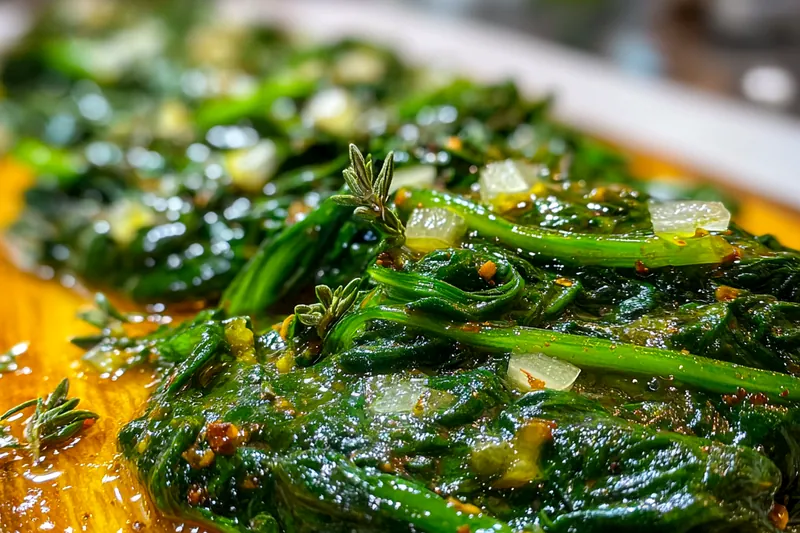
The main ingredient in this dish is fresh spinach, known for its rich nutrient profile including iron, vitamins A, C, and K. Opting for fresh spinach rather than frozen ensures a better texture and flavor. You can choose from various types, such as baby spinach or mature spinach, each offering a slightly different taste. The vibrant green leaves not only add color to your plate but also provide a multitude of health benefits, making this dish a nutritious choice.
Garlic is the essential seasoning that brings depth and richness to the sautéed spinach. When sautéed in olive oil, garlic transforms into a fragrant addition that beautifully complements the spinach. Olive oil not only adds its own flavor but also helps in the absorption of fat-soluble vitamins present in spinach. For an extra kick, consider incorporating additional seasonings like nutmeg or red pepper flakes, which can elevate the dish further.
Essential Ingredient Notes
- Main Ingredient: Fresh spinach is versatile and can be used in various dishes beyond sautéing. It can be added to salads, smoothies, and even omelets for a nutritious boost. Look for vibrant green leaves that are free from wilting or discoloration. Storing spinach in the refrigerator will keep it fresh for longer, but always use it soon after purchase for the best flavor.
- Second Key Ingredient: Garlic is a powerhouse of flavor and has many health benefits, including anti-inflammatory properties. Using fresh garlic cloves enhances the dish, but garlic powder can be a suitable substitute in a pinch. Be careful not to burn the garlic as it can turn bitter; sauté it just until golden. Adding garlic enhances not only the flavor but also the aroma, making your kitchen smell fantastic.
- Essential Seasoning: Olive oil is an essential ingredient in Mediterranean cooking, known for its heart-healthy fats. The quality of olive oil impacts the overall flavor of the dish, so choose extra virgin for the best results. It also acts as a base for other flavors to build upon, making it crucial in sautéing. Remember to use just enough to coat the spinach without drowning it, allowing the natural flavors to shine.
Cooking Process
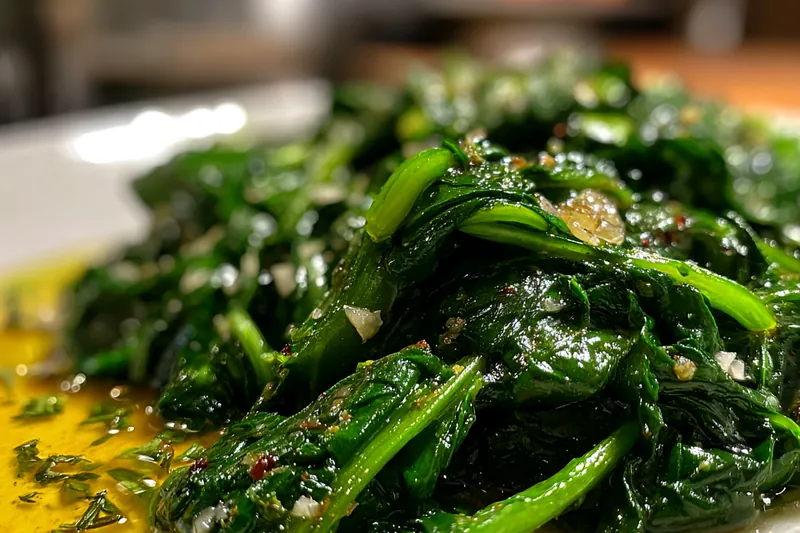
To start, heat olive oil in a large skillet over medium heat. Once hot, add the minced garlic and sauté until it becomes fragrant and slightly golden. This step is crucial as it develops deep flavors that enhance the spinach. As you add the spinach, it will wilt quickly, so be prepared to toss it with the garlic and oil to ensure even cooking. Stir constantly to prevent the garlic from burning while allowing the spinach to wilt down.
Once the spinach is wilted and vibrant, season it with salt, pepper, and any optional spices you prefer. The lemon juice added at the end brightens the flavors and adds a touch of acidity. For a finishing touch, sprinkle with Parmesan cheese, which adds richness and depth. Serve immediately for the best flavor and texture, as it is best enjoyed fresh.
Key Technique
The key technique in this dish is sautéing at the right temperature and timing. Heating the olive oil to the right point ensures the garlic releases its flavor without burning. Adding the spinach gradually allows for even cooking, resulting in a dish that is both tender and flavorful. Stirring continuously helps to distribute the heat evenly, preventing any burning. Mastering this technique will elevate your cooking and enhance the quality of the dish.
Spinach Sautéed with Garlic & Olive Oil
📋 Ingredients
Main Ingredients
- 1 teaspoon salt
- 1/2 teaspoon black pepper
- 1/4 teaspoon red pepper flakes (optional)
Sauce/Seasoning
- 2 tablespoons olive oil
- 4 cloves garlic, minced
- 10 ounces fresh spinach, washed and dried
- 1 tablespoon lemon juice
- 1/4 cup grated Parmesan cheese (optional)
Instructions
Heat the Oil
In a large skillet, heat the olive oil over medium heat. Once the oil is shimmering but not smoking, it's ready for the garlic. This step ensures the garlic will sauté perfectly without burning.
Sauté the Garlic
Add the minced garlic to the skillet and sauté for about 1-2 minutes. Stir frequently to avoid burning. You want the garlic to become fragrant and golden, which adds a rich flavor to the dish.
Add the Spinach
Gradually add the washed spinach to the skillet. It may seem like a lot at first, but spinach wilts down significantly as it cooks. Use tongs to toss the spinach with the garlic and oil.
Season the Spinach
Once the spinach is wilted, season it with salt, black pepper, and red pepper flakes if using. Toss everything together for another minute to ensure the spinach is well-coated and flavorful.
Add Finishing Touches
Remove the skillet from heat and drizzle with lemon juice to brighten the flavors. For an added touch of richness, sprinkle with grated Parmesan cheese if desired.
Serve
Transfer the sautéed spinach to a serving dish. This dish can be served warm or at room temperature, making it versatile for various meals.
Recipe Notes & Tips
Storage Tips
To ensure the freshness of your sautéed spinach, store it in an airtight container in the refrigerator. It’s best to consume it within 2 days for optimal flavor and texture. If you plan to keep leftovers, avoid adding any dressings or toppings until you're ready to serve. Always check for any signs of spoilage before consuming.
Serving Ideas
Spinach Sautéed with Garlic & Olive Oil pairs beautifully with various main courses. Try serving it alongside grilled chicken for a healthy dinner, or add it to pasta dishes for extra nutrition. For a lighter option, serve it over a bed of quinoa or brown rice. This dish can also be used as a filling for omelets or as a topping for pizzas.
Variations
Feel free to customize this recipe by adding other ingredients like mushrooms or sun-dried tomatoes for added flavor. You can also incorporate different herbs such as basil or thyme to change the profile. For a creamier texture, consider adding a splash of cream or a dollop of ricotta cheese. Experimenting with various vegetables can make this dish even more versatile.