Moist Vanilla Sponge Cake
Moist Vanilla Sponge Cake is a classic dessert that never goes out of style. Its light and fluffy texture combined with the rich flavor of vanilla makes it a favorite for birthdays, weddings, and casual gatherings alike. Originating from traditional European recipes, this cake has been adapted over the years to ensure its moistness and deliciousness. Perfect for layering with frosting or enjoying on its own, this sponge cake is versatile and easy to bake, even for beginners. Let's explore how to make this delightful treat!

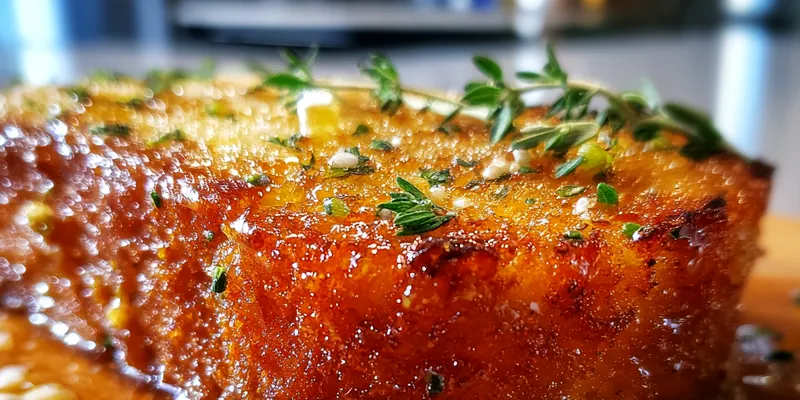
Why This Moist Vanilla Sponge Cake Works
The success of a moist vanilla sponge cake lies in the balance of ingredients and the right baking technique. Creaming the butter and sugar properly incorporates air, creating a light texture. Additionally, using room temperature ingredients ensures better mixing, leading to a well-blended batter. The careful folding of dry ingredients into the wet mixture helps maintain that airy quality, allowing the cake to rise beautifully while keeping its moisture intact.
What makes this vanilla sponge cake special is its versatility. Whether served plain, layered with frosting, or topped with fresh fruits, it adapts well to various occasions. The subtlety of the vanilla flavor shines through, making it a delightful companion to numerous fillings and toppings. This recipe ensures that it stays moist and fluffy, distinguishing it from denser cake varieties.
💡 Professional Tip
For an even moister cake, consider brushing the baked sponge with a simple syrup made from equal parts sugar and water. This addition enhances the flavor and keeps the cake moist for longer. Additionally, ensure that your oven temperature is accurate by using an oven thermometer, as varying temperatures can affect baking time and texture.
Frequently Asked Questions
Yes, you can make the cake ahead of time! Once cooled, wrap it tightly in plastic wrap and store it in the refrigerator for up to three days. For longer storage, consider freezing it. To freeze, wrap the cake in plastic wrap and then in aluminum foil; it can last for up to three months. Just remember to thaw it in the refrigerator before serving to maintain its texture.
If you're looking for substitutions, you can replace all-purpose flour with gluten-free flour for a gluten-free version. Additionally, you can use coconut milk or almond milk instead of regular milk for a dairy-free option. For a lighter version, consider using egg whites only, although this may alter the cake's richness slightly. Experimenting with different flavor extracts, like almond or lemon, can also yield delicious variations.
To check if your cake is done, insert a toothpick into the center of the cake. If it comes out clean or with a few moist crumbs, your cake is ready. Additionally, the top should spring back when lightly touched, and the edges should start pulling away from the pan. If the cake is still wet in the middle, bake it for a few more minutes, checking frequently.
Absolutely! Freezing your vanilla sponge cake is a great way to preserve its freshness. Make sure to wrap it tightly in plastic wrap once it has completely cooled. You can also place it in an airtight container to prevent freezer burn. When ready to enjoy, simply thaw it in the refrigerator overnight and let it come to room temperature before serving.
This moist vanilla sponge cake pairs beautifully with a variety of toppings. You can serve it with whipped cream and fresh berries for a light dessert. Alternatively, consider frosting it with buttercream or cream cheese frosting for a richer experience. For an elegant touch, drizzle it with a simple glaze or serve alongside a scoop of ice cream.
When stored properly in an airtight container, the moist vanilla sponge cake will last up to three days at room temperature. If refrigerated, it can last for about a week. For longer storage, freezing is an excellent option, allowing the cake to keep its quality for up to three months. Always make sure to wrap it tightly to maintain its moisture and prevent it from absorbing odors.
While this recipe focuses on the classic vanilla flavor, you can certainly adjust the spice level to your liking. Consider adding a pinch of cinnamon or nutmeg for a warm spice note. Alternatively, for a unique twist, try incorporating citrus zest or a splash of almond extract. Just be mindful that adding too much can overpower the delicate vanilla flavor.
To reheat your vanilla sponge cake, the best method is to use the oven. Preheat your oven to 350°F (175°C), place the cake on a baking sheet, and cover it with aluminum foil to prevent drying out. Heat for about 10-15 minutes or until warmed through. If you're in a hurry, the microwave works as well; just use a low power setting and heat in short bursts to avoid making the cake tough.
Recipe Troubleshooting Guide
Too Dry
Problem: If your cake turns out too dry, it may be due to overbaking or too much flour in the batter.
Solution: To prevent this, ensure you measure the flour correctly by spooning it into the measuring cup and leveling it off. Keep an eye on the baking time, and do a toothpick test a few minutes before the suggested time to check for doneness.
Not Crispy
Problem: If your cake isn't crispy on the outside, it may not have baked long enough or the oven temperature was too low.
Solution: Make sure your oven is preheated to the correct temperature and consider increasing the baking time slightly if the cake appears underbaked.
Overcooked
Problem: An overcooked cake can become tough and dry, losing its ideal texture and flavor.
Prevention: To fix this in the future, always check the cake for doneness a few minutes before the minimum baking time. Use an oven thermometer to ensure your oven is baking at the correct temperature.
Undercooked
Problem: If your cake is undercooked in the center, you may have removed it from the oven too soon.
Recovery: To remedy this, simply return the cake to the oven and bake for additional time, checking every few minutes until the center is set and a toothpick comes out clean.
Burnt
Problem: A burnt cake can result from baking at too high a temperature or leaving it in the oven too long.
Prevention: To avoid this, always monitor the baking process closely and consider lowering the oven temperature if the cake starts to brown too quickly. Using the middle rack can also help ensure even baking.
Flavor Balance
Too Sweet: If the cake is too sweet, it may overwhelm the vanilla flavor.
Too Salty: If you detect a salty taste, double-check your measurements of salt and baking soda.
Bland: A bland flavor can be adjusted with additional vanilla extract or a touch of lemon zest for brightness.
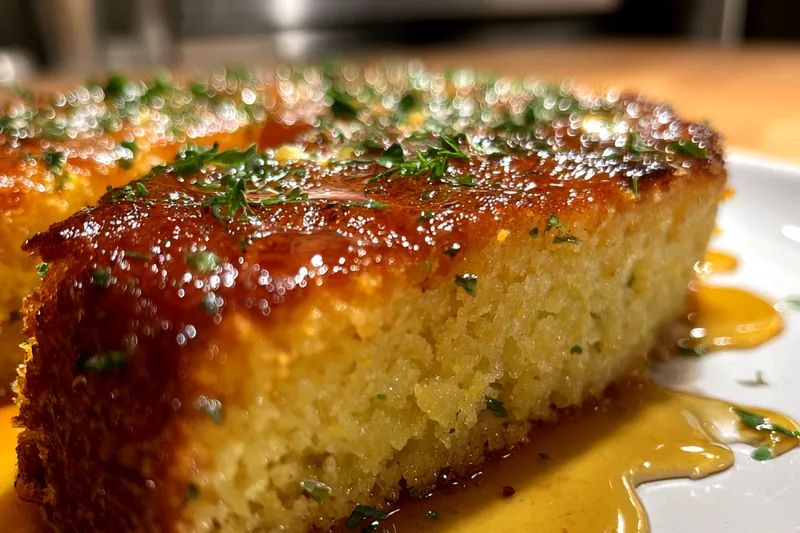
Key Ingredients
The main ingredients for this moist vanilla sponge cake include all-purpose flour, granulated sugar, eggs, and butter. Each ingredient plays a crucial role in achieving that light, fluffy texture. The flour provides the structure, while the sugar adds sweetness and moisture. Eggs contribute to the cake’s rise and richness, whereas the butter adds flavor and tenderness.
In addition to the main ingredients, a few key seasonings elevate the flavor profile. Vanilla extract is essential for that classic vanilla taste, while baking powder and baking soda ensure the cake rises properly. A pinch of salt balances the sweetness, and lemon zest adds a refreshing citrus note. Together, these ingredients create a harmonious blend that makes this cake irresistible.
Essential Ingredient Notes
- Main Ingredient: All-purpose flour is the backbone of this sponge cake, providing the necessary structure. It’s important to measure it accurately to avoid a dense texture. For best results, sift the flour before measuring, which helps aerate it. This simple step can significantly improve the cake's lightness.
- Second Key Ingredient: Granulated sugar not only sweetens the cake but also adds moisture and contributes to its rise. The creaming process with butter incorporates air, creating a fluffy texture. Using superfine sugar can enhance the texture even further. Always remember to beat until light and fluffy for the best results.
- Essential Seasoning: Vanilla extract is the star flavor in this cake, and using high-quality pure vanilla will enhance the overall taste. Avoid imitation vanilla, as it lacks the depth and richness. A little vanilla goes a long way in transforming your cake from ordinary to extraordinary. For a unique twist, consider adding other flavor extracts sparingly.
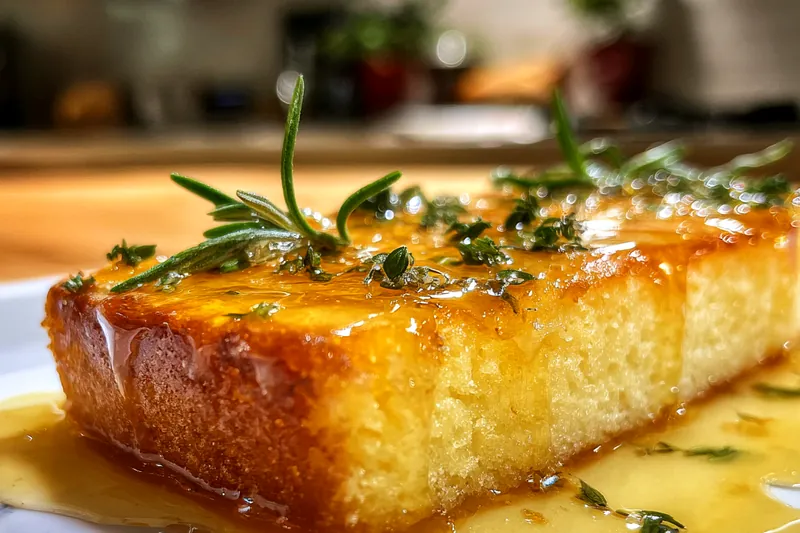
Cooking Process
The cooking process for this moist vanilla sponge cake is straightforward yet requires attention to detail. Start by preheating your oven and preparing your cake pan. Mixing the wet and dry ingredients separately before combining them ensures a smooth batter. Be gentle when folding the dry ingredients to maintain the airiness of the mixture, which contributes to the cake's texture.
Once the batter is ready, pour it into the prepared pan and bake until golden brown. After baking, allow the cake to cool properly to prevent it from becoming soggy. Once cooled, you can frost or decorate the cake as desired. Enjoy the process and the delightful aroma of freshly baked vanilla cake filling your kitchen!
Key Technique
The key technique for achieving a moist vanilla sponge cake lies in the creaming method. This involves beating the butter and sugar together until light and fluffy, which incorporates air into the mixture. This step is crucial as it contributes to the cake's rise and texture. Additionally, ensuring that all ingredients are at room temperature facilitates better mixing, resulting in a more uniform batter. Finally, gentle folding of the dry ingredients prevents the loss of volume, ensuring a light and airy cake.
Moist Vanilla Sponge Cake
📋 Ingredients
Main Ingredients
- 1 cup sugarfor sweetness
- 1/2 cup unsalted butterfor richness
- 1/2 teaspoon saltto balance flavor
Sauce/Seasoning
- 1 cup all-purpose flourfor structure
- 3 large eggsfor moisture and richness
- 1/2 cup milkfor moisture
Instructions
Preheat the Oven
Begin by preheating your oven to 350°F (175°C). Grease and flour an 8-inch round cake pan to prevent sticking. Set the pan aside while you prepare the batter.
Mix Wet Ingredients
In a large mixing bowl, cream together the softened butter and sugar until light and fluffy. Beat in the eggs one at a time, ensuring each is fully incorporated before adding the next. Stir in the milk and vanilla extract until the mixture is smooth.
Recipe Notes & Tips
Storage Tips
Store your vanilla sponge cake in an airtight container at room temperature for up to three days. To extend its freshness, refrigerate it, where it can last about a week. If you plan to freeze it, wrap it tightly in plastic and aluminum foil. It can be stored in the freezer for up to three months without losing its flavor and texture.
Serving Ideas
This cake is delightful on its own but can also be dressed up for special occasions. Serve it with a dollop of whipped cream and a sprinkle of fresh berries for a refreshing dessert. Alternatively, layer it with frosting or custard for an indulgent treat. It also pairs wonderfully with a scoop of vanilla ice cream, making it a crowd-pleaser.
Variations
Consider adding cocoa powder to the batter for a chocolate version of this sponge cake. You can also incorporate different flavor extracts, like almond or lemon, to create unique variations. For a fun twist, add chocolate chips or fruit like blueberries or strawberries to the batter. These variations keep the cake exciting and cater to different tastes.