Lemon Herb Roasted Chicken
Lemon Herb Roasted Chicken is a delightful dish that combines the zesty brightness of lemons with aromatic herbs to create an unforgettable flavor profile. This recipe is perfect for family dinners, special occasions, or even a cozy night in. What makes this chicken dish so special is the way the citrus infuses the meat while it roasts, keeping it juicy and flavorful. The combination of fresh herbs adds a fragrant touch that elevates the dish to new heights. Whether you're an experienced cook or a beginner, this recipe is straightforward and yields a delicious result every time.

Why This Lemon Herb Roasted Chicken Works
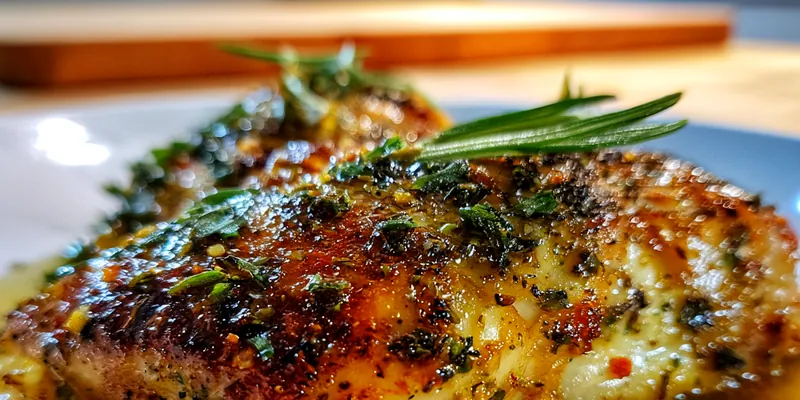
The technique used in this Lemon Herb Roasted Chicken relies on high heat to achieve a beautifully crispy skin while keeping the meat moist and tender. The combination of lemon and herbs creates a balance of acidity and earthiness, enhancing the overall flavor of the dish. The key is to season the chicken well, allowing the flavors to penetrate the meat. Incorporating aromatics like garlic and onion adds depth, making each bite a delight.
What makes this recipe special is its simplicity and the use of fresh ingredients. The bright flavor of the lemon not only tenderizes the chicken but also infuses it with a fresh, zesty taste. Pairing the chicken with herbs like rosemary, thyme, and parsley provides a fragrant aroma that fills your kitchen as it roasts. This dish is versatile enough for a casual family meal or an elegant dinner party, making it a go-to recipe for many occasions.
💡 Professional Tip
For the best results, make sure to let the chicken come to room temperature before roasting. This helps it cook more evenly. Additionally, basting the chicken with its juices halfway through cooking can enhance the flavor and keep it moist. If you prefer a stronger herb flavor, consider adding additional herbs to the rub or using herb-infused olive oil. Finally, always let the chicken rest after cooking to ensure juicy, tender meat.
Frequently Asked Questions
Yes, you can prepare the Lemon Herb Roasted Chicken ahead of time by seasoning it and refrigerating it for up to 24 hours before cooking. This allows the flavors to meld and intensify. However, it’s best to roast the chicken just before serving for the best texture and flavor. If you have leftovers, they can be stored and enjoyed later.
If you don’t have fresh herbs, dried herbs can be used as a substitute, although you may need to adjust the quantities. For a citrus twist, you can substitute oranges or limes for the lemons. Additionally, if you prefer a different protein, this marinade works well with turkey or even vegetables for a vegetarian option. Just keep in mind that cooking times may vary.
The best way to determine if your Lemon Herb Roasted Chicken is done is by using a meat thermometer. Insert it into the thickest part of the thigh without touching the bone; it should read 165°F (75°C). Additionally, the juices should run clear when pierced, and the skin should be golden brown and crispy. If in doubt, it’s better to check the temperature a bit early.
Yes, Lemon Herb Roasted Chicken can be frozen after cooking. Allow it to cool completely, then wrap it tightly in plastic wrap or aluminum foil and place it in an airtight container. It can be stored in the freezer for up to 3 months. When ready to eat, thaw it in the refrigerator and reheat in the oven to maintain its crispy texture.
Lemon Herb Roasted Chicken pairs beautifully with a variety of sides. Consider serving it with roasted vegetables, a fresh garden salad, or creamy mashed potatoes. For a lighter option, a quinoa salad or steamed asparagus works well too. Don't forget to drizzle the pan juices over the sides for added flavor!
Leftover Lemon Herb Roasted Chicken can be stored in the refrigerator for up to 3-4 days. Make sure to keep it in an airtight container to maintain freshness. If you have a lot of leftovers, consider shredding the chicken and using it in salads, sandwiches, or wraps for easy meals throughout the week.
To adjust the spice level of your Lemon Herb Roasted Chicken, you can add more or less garlic and herbs according to your preference. If you enjoy a bit of heat, consider adding red pepper flakes or a touch of cayenne pepper to the seasoning mix. Alternatively, for a milder flavor, reduce the garlic or choose milder herbs. Tailoring the spice level to your taste will ensure a dish you love.
The best way to reheat Lemon Herb Roasted Chicken is in the oven to preserve its texture. Preheat the oven to 350°F (175°C), place the chicken in a baking dish, and cover it with foil to retain moisture. Heat for about 20-25 minutes or until warmed through. You can also reheat individual pieces in the microwave but be aware that this may result in slightly less crispy skin.
Recipe Troubleshooting Guide
Too Dry
Problem: If your chicken turns out too dry, it may have been overcooked or not enough fat was used.
Solution: To prevent dryness, ensure you monitor the cooking temperature closely and use a meat thermometer. Brining the chicken beforehand can help keep it moist as well.
Not Crispy
Problem: If the skin isn't crispy, it might not have been cooked at a high enough temperature or there may have been too much moisture.
Solution: Make sure your oven is fully preheated and try roasting at a higher temperature. Additionally, patting the chicken dry before seasoning can help achieve crispy skin.
Overcooked
Problem: Overcooking can lead to tough and rubbery chicken, which is often disappointing.
Prevention: Always use a meat thermometer to check doneness, and be mindful of cooking times, especially if your chicken is smaller or larger than the recipe suggests.
Undercooked
Problem: Undercooked chicken can pose health risks and may not taste as good.
Recovery: If you find your chicken is undercooked, continue roasting it, checking the temperature regularly until it reaches the safe level of 165°F (75°C).
Burnt
Problem: If your chicken is burnt, it may have been too close to the heating element or cooked for too long.
Prevention: To prevent burning, keep an eye on the chicken as it cooks and use a roasting pan that allows for even heat distribution.
Flavor Balance
Too Sweet: If your dish is too sweet, consider adding more acidic elements like lemon juice or vinegar to balance it out.
Too Salty: If the chicken is too salty, serving it with a side dish that has no salt can help to balance the flavors.
Bland: To enhance flavor in a bland dish, add more herbs, spices, or a splash of lemon juice to brighten it up.
Key Ingredients
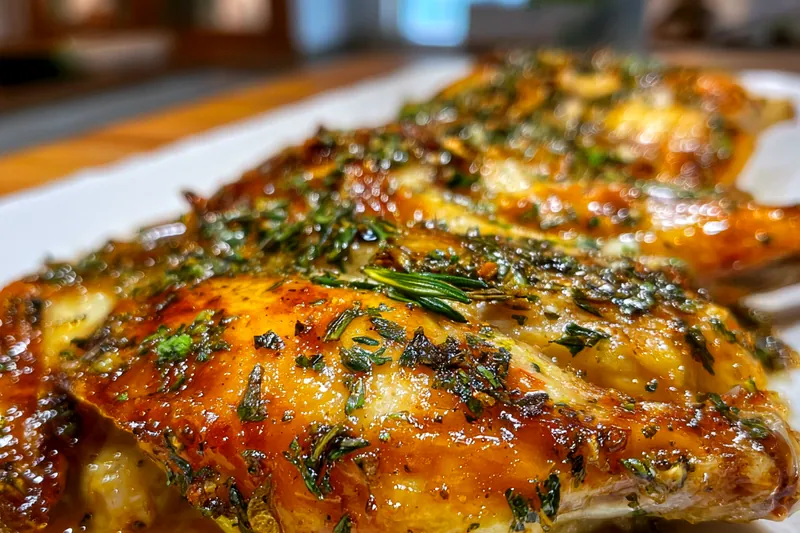
The main ingredient in this recipe is, of course, the chicken. Opt for a whole chicken for the best flavor and juiciness, ensuring it’s fresh and free-range if possible. The lemon slices not only add flavor but also help tenderize the meat during roasting. Fresh herbs like rosemary, thyme, and parsley bring a fragrant, earthy note that complements the citrus beautifully.
For the seasonings, garlic is essential for adding depth of flavor, while olive oil helps in creating a crispy skin. Paprika adds a lovely color and subtle sweetness, making the chicken visually appealing. The broth is crucial for keeping the chicken moist and providing a flavorful base, ensuring that every bite is savory and satisfying.
Essential Ingredient Notes
- Main Ingredient: Selecting a high-quality whole chicken is key for achieving the best results. Look for organic or free-range options for superior flavor and texture. A well-raised chicken will have a richer taste and retain moisture better during cooking. Be sure to remove any giblets from the cavity before seasoning.
- Second Key Ingredient: Lemons are not only flavorful but also serve to tenderize the chicken. Their acidity breaks down proteins, resulting in a juicier final product. Using fresh lemons enhances the dish, while bottled lemon juice may not provide the same vibrant flavor. Slice them thinly for maximum infusion during roasting.
- Essential Seasoning: Fresh herbs are essential in this recipe, as they elevate the flavors significantly. Rosemary, thyme, and parsley each bring their unique profiles, but feel free to experiment with others like oregano or sage. Always choose fresh herbs when possible, as dried herbs may not impart the same intensity. Chop them finely to release their essential oils and maximize flavor.
Cooking Process
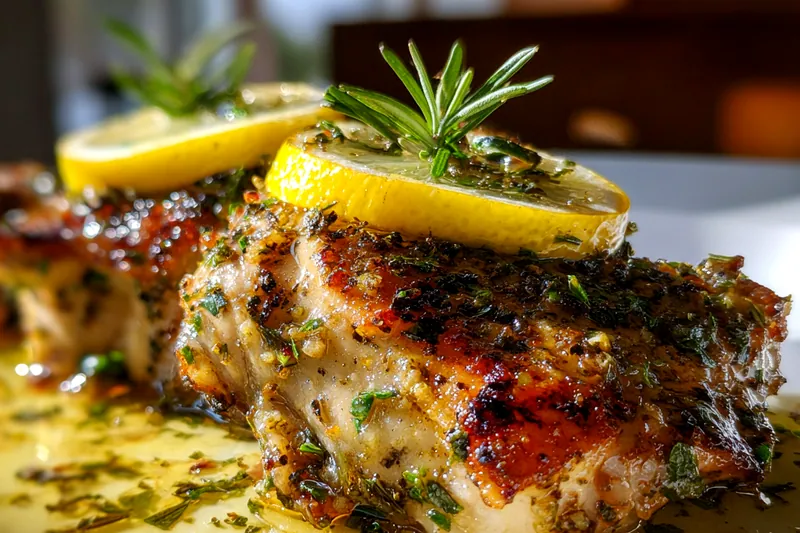
The cooking process for Lemon Herb Roasted Chicken is straightforward yet rewarding. Begin by preheating your oven and preparing the chicken by seasoning it thoroughly with the herb mixture. Make sure to rub the seasoning under the skin for deeper flavor penetration. Stuff the cavity with aromatic ingredients to enhance the dish’s profile and moisture.
Once the chicken is in the oven, the high heat will create a crispy skin while the juices will keep the meat tender. Baste the chicken occasionally with the pan juices to infuse more flavor and moisture. After roasting, allow the chicken to rest so that the juices redistribute, ensuring each slice remains juicy when served. The final presentation is a stunning golden-brown chicken, ready to be enjoyed.
Key Technique
The key technique in this recipe is the combination of high-heat roasting and proper seasoning. Roasting at a higher temperature ensures that the skin crisps up beautifully while the inside remains tender and juicy. The use of a meat thermometer is crucial to avoid overcooking or undercooking the chicken. Additionally, allowing the chicken to rest post-roasting is essential for achieving optimal juiciness and flavor.
Lemon Herb Roasted Chicken
📋 Ingredients
Main Ingredients
- 1/4 cup olive oilfor marinating
- 1 tablespoon fresh rosemary, choppedadds aromatic flavor
- 1 tablespoon fresh thyme, choppedfor earthy notes
- 1 teaspoon paprikafor color and a hint of sweetness
Sauce/Seasoning
- 1 whole chicken (about 4-5 lbs)the star of the dish
- 2 lemons, slicedfor flavor and tenderness
- 4 cloves garlic, mincedadds depth of flavor
- Salt and pepper to tasteessential for seasoning
- 1 onion, quarteredadds sweetness during roasting
- 1 cup chicken brothfor moisture
Instructions
Prepare the Chicken
Preheat your oven to 425°F (220°C). Rinse the chicken under cold water and pat it dry with paper towels. This will help ensure a crispy skin.
Season the Chicken
In a small bowl, mix the olive oil, minced garlic, rosemary, thyme, paprika, salt, and pepper. Rub this mixture all over the chicken, including under the skin for maximum flavor.
Add the Aromatics
Stuff the cavity of the chicken with lemon slices and quartered onion. This will infuse the chicken with additional flavor as it roasts.
Prepare the Baking Dish
Place the chicken in a roasting pan and pour the chicken broth around it. This will help keep the chicken moist during cooking.
Roast the Chicken
Roast the chicken in the preheated oven for about 30-40 minutes, or until the internal temperature reaches 165°F (75°C). Basting the chicken with the pan juices halfway through can enhance the flavor.
Let it Rest
Once cooked, remove the chicken from the oven and let it rest for about 10-15 minutes. This will allow the juices to redistribute, resulting in a juicier chicken.
Serve and Enjoy
Carve the chicken and serve it with the roasted lemons and onions. Enjoy your delicious Lemon Herb Roasted Chicken with your choice of sides.
Recipe Notes & Tips
Storage Tips
To store leftover Lemon Herb Roasted Chicken, let it cool to room temperature before placing it in an airtight container. It can be kept in the refrigerator for up to 3-4 days. For longer storage, consider freezing the chicken in freezer-safe bags or containers, ensuring all air is removed to prevent freezer burn.
Serving Ideas
Lemon Herb Roasted Chicken pairs well with a variety of sides. Consider serving it alongside roasted vegetables, creamy mashed potatoes, or a fresh salad. For a lighter option, quinoa or rice pilaf can complement the flavors beautifully. Don’t forget to drizzle the pan juices over your sides for extra flavor.
Variations
Feel free to experiment with different herbs and spices to create your own unique version of this dish. Adding a splash of white wine to the broth can enhance the flavor profile. For a spicy kick, you can include red pepper flakes in the seasoning mix or serve with a spicy dipping sauce. Each variation can bring a new twist to this classic recipe.