Hummus with Warm Bread
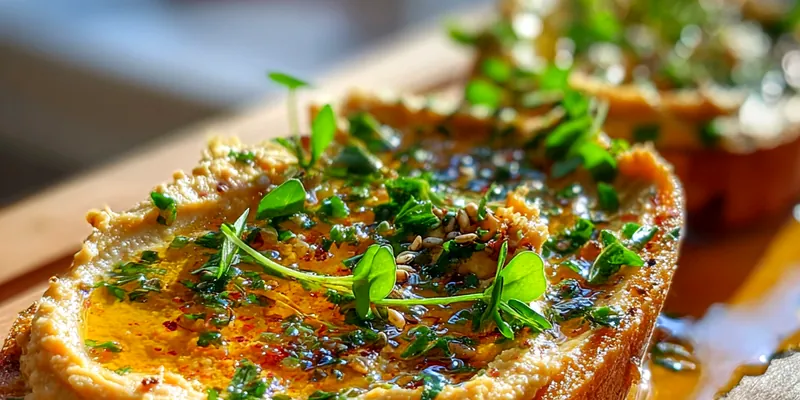
Hummus with Warm Bread is a classic dish that combines the rich flavors of creamy hummus with the comforting warmth of fresh pita. Originating from Middle Eastern cuisine, this delightful pairing is not only delicious but also incredibly healthy. Hummus is packed with protein and fiber, making it a perfect choice for a light meal or appetizer. The warm bread adds a satisfying crunch and a cozy touch, elevating the entire dining experience. Whether you're hosting a gathering or enjoying a quiet night in, this dish is sure to impress.

Why This Hummus with Warm Bread Works
The technique used in making hummus is essential for achieving a smooth and creamy texture. By blending the chickpeas with tahini, olive oil, and lemon juice, you create a rich, flavorful base. The use of water allows for adjustment of the consistency, making it perfect for dipping. Additionally, the warm pita bread complements the hummus beautifully, providing a textural contrast that enhances the overall experience. The simplicity of the ingredients ensures that the flavors shine through.
What makes this dish special is its versatility and health benefits. Hummus is a protein-packed, nutrient-dense food that can be enjoyed in numerous ways. It serves as a perfect appetizer, snack, or even a light meal. The warm bread adds a traditional touch, making it feel comforting and familiar. Together, they create a dish that is not only delicious but also wholesome and satisfying.
💡 Professional Tip
For an extra layer of flavor, consider adding roasted garlic or smoked paprika to your hummus. These ingredients can enhance the taste significantly and provide a unique twist. Additionally, don't be afraid to experiment with different types of bread, such as focaccia or lavash. A sprinkle of fresh herbs or a touch of lemon zest can elevate your dish even further. Finally, always taste and adjust seasonings before serving to ensure the perfect flavor balance.
Frequently Asked Questions
Yes, you can prepare the hummus in advance. It stores well in the refrigerator for up to a week. Just make sure to keep it in an airtight container to prevent it from drying out. The warm bread is best served fresh, so it's recommended to prepare that just before serving. If needed, you can warm the bread in the oven for a few minutes before serving to refresh it.
If you need a substitute for tahini, you can use sunflower seed butter or almond butter for a different flavor profile. For those who prefer a gluten-free option, any gluten-free bread can replace pita. You can also experiment with different beans, such as white beans or black beans, to create unique hummus variations. Lastly, feel free to adjust the seasonings according to your taste preferences.
Your hummus is ready when it has a smooth, creamy consistency and a rich flavor. Taste it to ensure the garlic and lemon are balanced to your liking. The warm bread should be slightly crispy and golden, which typically takes around 10-15 minutes in the oven. You can also check the bread by pressing it lightly; if it feels firm and warm, it’s done.
Yes, hummus can be frozen for up to three months. To do this, place it in an airtight container, leaving some space for expansion. When you're ready to enjoy it, thaw it in the refrigerator overnight and stir well before serving. However, it's not recommended to freeze the warm bread, as it can become soggy when thawed.
Hummus pairs wonderfully with a variety of sides. You can serve it with fresh vegetables like cucumbers, carrots, and bell peppers for an added crunch. It also goes well with olives, pickles, or a simple salad. For a heartier meal, consider adding grilled chicken or falafel. The possibilities are endless, making it a versatile dish.
Hummus can be stored in the refrigerator for up to a week when kept in an airtight container. If you've prepared warm bread, it’s best to consume it the same day, but you can store any leftovers in a sealed bag and reheat them in the oven. Always check for freshness before consuming, especially with homemade dishes.
To adjust the spice level in your hummus, add more garlic for a stronger flavor or incorporate a pinch of cayenne pepper or red pepper flakes for heat. You can also include roasted red peppers or jalapeños for a smokier kick. Taste as you go to ensure you achieve your desired spice level without overwhelming the dish.
The best way to reheat pita bread is to wrap it in foil and place it in a preheated oven at 350°F (175°C) for about 5-10 minutes. This method keeps the bread warm and soft. Avoid microwaving, as it can make the bread chewy. For hummus, simply stir it and serve at room temperature or lightly warm it on the stove with a bit of olive oil.
Recipe Troubleshooting Guide
Too Dry
Problem: If your hummus is too dry, it may be due to insufficient liquid or over-processing the chickpeas.
Solution: Add a tablespoon of water or olive oil at a time and blend until you achieve the desired creamy consistency. You can also try adding more tahini for added richness.
Not Crispy
Problem: If the pita bread is not crispy, it may have been removed from the oven too early or not brushed with enough oil.
Solution: Make sure to bake the bread until it is golden brown and firm. A light drizzle of olive oil helps enhance the crispiness.
Overcooked
Problem: If the hummus has been overcooked, it may develop a burnt flavor or dry texture.
Prevention: To fix this, start fresh with a new batch, but ensure you blend just until smooth. Use high-quality ingredients to enhance the flavors and avoid overcooking.
Undercooked
Problem: If the chickpeas are undercooked, the hummus will have a gritty texture.
Recovery: Always use canned chickpeas or ensure dried chickpeas are thoroughly cooked before blending. Soaking and cooking them properly will also improve the texture.
Burnt
Problem: If the pita bread is burnt, it may have been left in the oven for too long.
Prevention: Keep a close eye on the bread while baking and check every few minutes to prevent burning. You can adjust the baking time based on your oven’s temperature.
Flavor Balance
Too Sweet: If your hummus tastes too sweet, it may be due to an excess of lemon juice or tahini.
Too Salty: If the dish is too salty, try adding a bit of water or lemon juice to balance it out. Adding more chickpeas can also help.
Bland: If the hummus lacks flavor, consider adding more garlic, lemon juice, or spices to enhance the taste.

Key Ingredients
The main ingredient in hummus is chickpeas, which are a great source of plant-based protein and fiber. They provide a creamy texture when blended and are essential for the dish's nutritional value. Tahini, a paste made from sesame seeds, adds a nutty flavor and richness that balances the chickpeas. Together, these two ingredients form the base of a traditional hummus recipe, making it both delicious and healthy.
For seasonings, garlic and lemon juice are crucial in enhancing the flavor profile of the hummus. Garlic adds a pungent kick, while lemon juice provides acidity, making the dish bright and fresh. Olive oil not only contributes to the creaminess but also adds healthy fats. Za'atar seasoning on the pita bread elevates the dish with its aromatic blend of herbs, sesame, and sumac, giving it an authentic Middle Eastern taste.
Essential Ingredient Notes
- Main Ingredient: Chickpeas are the star of this dish, offering a hearty base that is both nutritious and satisfying. They can be used canned for convenience, or dried and cooked for a fresher taste. The choice will affect the texture and flavor, so choose according to your preference.
- Second Key Ingredient: Tahini contributes to the creaminess and richness of the hummus. It is important to use high-quality tahini, as it can significantly impact the flavor. If you're allergic to sesame, consider using sunflower seed butter as an alternative.
- Essential Seasoning: Garlic adds depth and flavor to the hummus. Roasting garlic can mellow its potency and add a sweet undertone. Always adjust the quantity based on your personal taste preferences.
Cooking Process
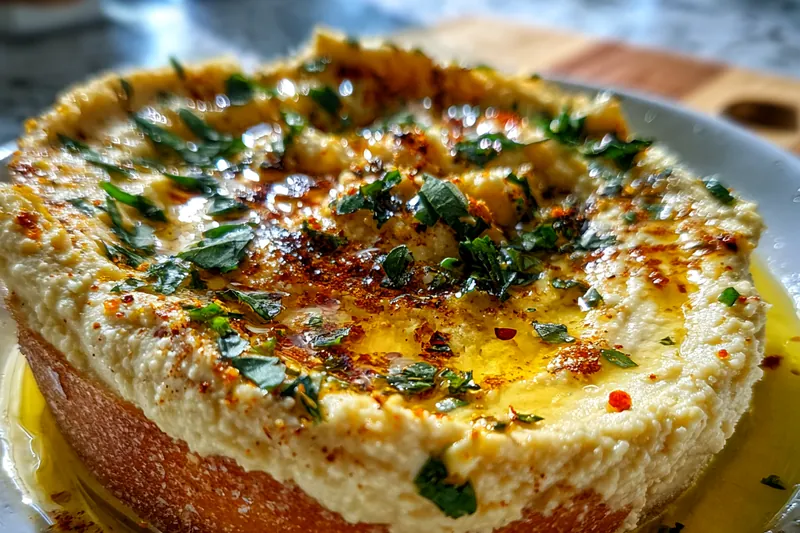
To prepare hummus, begin by blending chickpeas, tahini, garlic, lemon juice, and olive oil in a food processor. The key is to blend until smooth, adjusting the consistency with water as needed. It’s important to scrape down the sides of the bowl to ensure all ingredients are well combined. Once you achieve the perfect texture, taste and adjust the seasoning as desired.
As the hummus blends, prepare the pita bread by cutting it into triangles and arranging it on a baking sheet. Drizzle with olive oil and sprinkle with za'atar before baking. Keep an eye on the bread to ensure it doesn’t burn, and once it’s golden and hot, serve it immediately alongside the hummus for the best experience.
Key Technique
The key technique for making great hummus is achieving the right texture and flavor balance. This involves blending the ingredients thoroughly and adjusting the liquid content as needed. Don't rush the blending process; allowing the machine to run for a few minutes can make a significant difference. Additionally, tasting and adjusting the seasoning throughout the process ensures a delicious final product.
Hummus with Warm Bread
📋 Ingredients
Main Ingredients
- 2 tablespoons olive oiladds richness
- 1/4 cup tahinicreamy base
Sauce/Seasoning
- 1 can (15 oz) chickpeas, drained and rinsedmain ingredient
- 1 clove garlic, mincedadds flavor
Instructions
Prepare the Chickpeas
Start by draining and rinsing the canned chickpeas under cold water. For an extra creamy texture, you can peel the skins off the chickpeas. This step is optional but recommended for a smoother hummus.
Blend the Hummus
In a food processor, combine the chickpeas, tahini, olive oil, minced garlic, lemon juice, cumin, and salt. Blend until smooth, adding water as necessary to reach your desired consistency. Taste and adjust seasoning as needed.
Recipe Notes & Tips
Storage Tips
Store leftover hummus in an airtight container in the refrigerator for up to a week. To maintain freshness, drizzle a little olive oil on top before sealing. Warm pita bread is best consumed fresh, but you can store it in a sealed bag and reheat it before serving. Always check for freshness before consuming.
Serving Ideas
Consider serving hummus with an assortment of fresh vegetables like carrots, cucumbers, and bell peppers for dipping. You can also pair it with olives, feta cheese, or a simple green salad for a complete meal. For a heartier option, add grilled meats or falafel on the side for additional protein.
Variations
Experiment with different flavors by adding roasted red peppers, sun-dried tomatoes, or herbs like basil or cilantro to your hummus. You can also adjust the spices to create variations like spicy hummus with jalapeños or smoky hummus with smoked paprika. The possibilities are endless, allowing you to customize this dish to your taste.