Classic Tiramisu
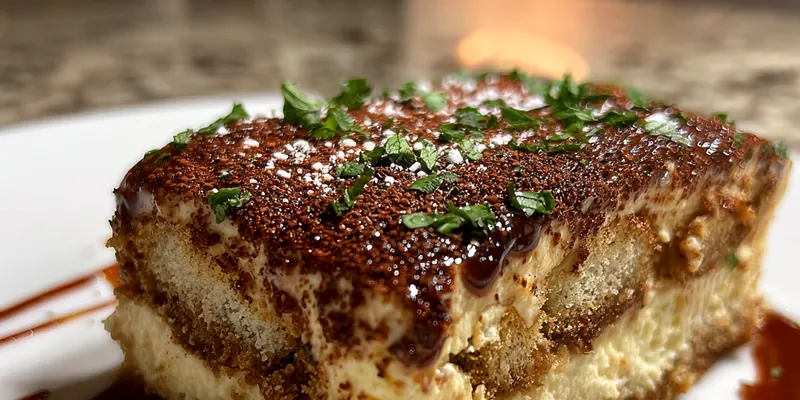
Classic Tiramisu is a beloved Italian dessert that combines layers of coffee-soaked ladyfingers with a rich mascarpone cream. Its origins date back to the 1960s in Italy, and since then, it has become a favorite worldwide. What makes this dessert special is its harmonious balance of flavors, with the bitterness of coffee perfectly complementing the sweetness of the cream. It's an elegant treat perfect for parties, gatherings, or a cozy night in. With this easy homemade recipe, you can impress your guests and satisfy your sweet tooth with each delightful spoonful.

Why This Classic Tiramisu Works
This Classic Tiramisu recipe works beautifully due to the balance of textures and flavors. The creamy mascarpone layer contrasts perfectly with the delicate crunch of the soaked ladyfingers. The science behind this dish lies in the emulsification of the mascarpone and whipped cream, which creates a light yet decadent texture. Additionally, soaking the ladyfingers in coffee allows them to absorb the flavors without becoming too soggy, maintaining their structure while providing moisture.
What makes this tiramisu special is the use of high-quality ingredients. Authentic mascarpone cheese elevates the creaminess, while freshly brewed coffee ensures a robust flavor. The optional coffee liqueur adds depth and richness, making each bite an indulgent experience. This dessert is not only visually appealing but also offers a delightful combination of tastes and textures that make it unforgettable.
💡 Professional Tip
For the best results, use fresh ingredients and avoid using stale ladyfingers, as they won't absorb the coffee properly. Consider using strong espresso for a more intense coffee flavor. Allow the tiramisu to chill overnight, as this enhances the flavor and texture. If you're looking for a sweeter version, feel free to adjust the sugar according to your preference, but remember that the balance of flavors is key to achieving the classic taste.
Frequently Asked Questions
Yes, Classic Tiramisu actually tastes better when made ahead of time. Preparing it a day in advance allows the flavors to meld beautifully and develop a richer taste. Just ensure it's properly covered and refrigerated to maintain freshness. When ready to serve, simply dust with cocoa powder and enjoy!
If you're looking for substitutions, consider using a dairy-free cream alternative for a vegan version. You can also replace mascarpone with a mix of cream cheese and heavy cream for a similar texture. If you don’t have coffee liqueur, a splash of vanilla extract can add sweetness and depth. Remember, these changes can alter the traditional taste, so adjust to your personal preference.
The best way to know your Classic Tiramisu is done is by checking that it has set properly in the refrigerator. It should be firm yet creamy to the touch. When slicing, the layers should hold their shape without falling apart. After refrigerating, if the top feels slightly firm to the touch and the layers are distinct, you’re ready to serve.
Freezing tiramisu is not recommended as it can affect the texture of the mascarpone and whipped cream layers. If you must freeze it, ensure it is well-wrapped and consume it within a month. When ready to serve, thaw it in the refrigerator for several hours. Keep in mind that the flavor may not be as vibrant as when freshly made.
Classic Tiramisu pairs beautifully with a strong cup of espresso or a sweet dessert wine. You can also serve it alongside fresh berries for a tart contrast to the creamy dessert. For added flair, consider garnishing with chocolate shavings or a sprig of mint. These accompaniments enhance the overall dining experience and add a pop of color to your presentation.
Classic Tiramisu can be stored in the refrigerator for up to 3 days. Ensure it's covered with plastic wrap or in an airtight container to prevent it from absorbing other odors. If stored properly, the flavors will continue to develop, making each bite just as delightful. It's not advisable to leave it at room temperature for extended periods, as it contains perishable ingredients.
While Classic Tiramisu does not typically include spices, you can add a pinch of cinnamon or nutmeg to the mascarpone mixture for a warm flavor. This adjustment can enhance the taste without overpowering the traditional coffee flavor. Be cautious with the amount to maintain a balanced flavor profile. Experimenting with spices can create a unique twist on the classic recipe.
Tiramisu is best served cold, so reheating is generally not recommended. If you need to refresh a leftover slice, consider letting it sit at room temperature for about 15 minutes before serving. This will soften the layers slightly, making it more enjoyable without compromising its texture. Enjoying it chilled is key to appreciating its layered flavors.
Recipe Troubleshooting Guide
Too Dry
Problem: If your tiramisu is too dry, it may be due to insufficient soaking of the ladyfingers. They should be briefly dipped in the coffee mixture, ensuring they absorb enough liquid without becoming soggy.
Solution: To resolve this, consider adding more coffee mixture to the layers or ensuring a generous soak next time you prepare it. Remember that ladyfingers should be soft but still hold their shape.
Not Crispy
Problem: A tiramisu that lacks crispness may indicate that the ladyfingers were soaked for too long, causing them to become soggy.
Solution: To fix this, try minimizing the soaking time in the coffee mixture. A quick dip is sufficient to achieve the right balance of moisture while retaining some crunch.
Overcooked
Problem: If your tiramisu has a grainy texture, it may have been overcooked during the egg and milk mixture preparation.
Prevention: To prevent this, cook the mixture over low heat and continuously stir until it thickens slightly. Remove from heat as soon as it starts to thicken to avoid scrambling the eggs.
Undercooked
Problem: An undercooked tiramisu can lead to a runny consistency, especially if the egg mixture hasn’t thickened properly.
Recovery: Ensure to cook the egg and milk mixture gently until it coats the back of a spoon. Using a thermometer can help, aiming for a temperature of around 160°F to ensure safety and proper texture.
Burnt
Problem: If your tiramisu appears burnt, it may be due to overheating the mixture or using too high a heat setting.
Prevention: Always cook over low heat and stir constantly to prevent burning. If you notice any burnt spots, gently scrape them off before adding the mascarpone.
Flavor Balance
Too Sweet: If your tiramisu is too sweet, consider reducing the amount of sugar in the mascarpone mixture next time.
Too Salty: A hint of salt can enhance flavors, but if it’s too salty, avoid adding salt in future batches. Use unsalted butter if you’re incorporating any.
Bland: In cases of bland flavor, ensure you are using fresh coffee and consider adding a dash of vanilla extract or a bit more coffee liqueur to boost the taste.
Key Ingredients
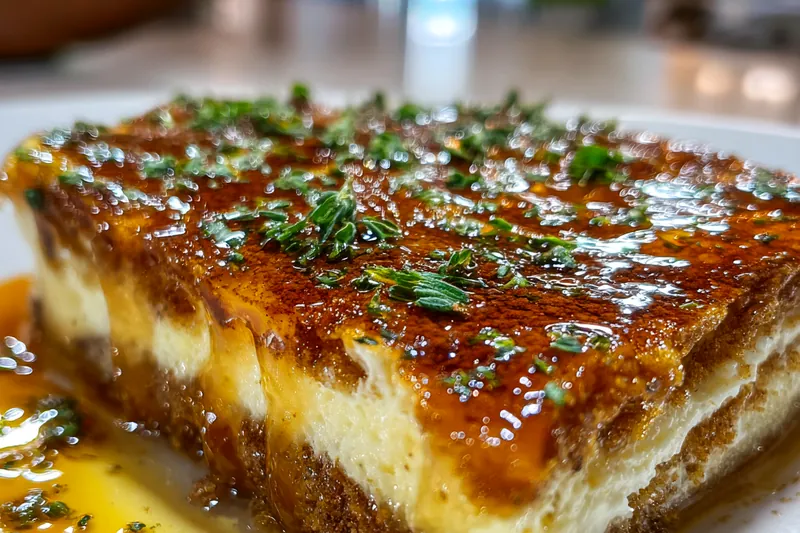
The main ingredients of Classic Tiramisu include egg yolks, granulated sugar, and mascarpone cheese. The egg yolks create a rich base, while the sugar adds sweetness and balances the flavors. Mascarpone is a key player, providing that creamy texture that defines tiramisu. Heavy cream is whipped and folded into the mascarpone to add lightness, making the dessert more indulgent and airy.
A good quality coffee is essential, as it serves as the flavor foundation of this dessert. The ladyfingers, or savoiardi, are the perfect vessel for the coffee mixture, soaking up the flavors while maintaining some texture. Optional ingredients like coffee liqueur can elevate the taste further, while cocoa powder adds a finishing touch of bitter sweetness. Ensuring high-quality ingredients will make a significant difference in the final result.
Essential Ingredient Notes
- Main Ingredient: Mascarpone cheese is the star of tiramisu, providing its signature creamy texture. It's important to use authentic mascarpone rather than substitutes for the best flavor. This Italian cream cheese is rich and has a subtle sweetness that pairs perfectly with coffee. Ensure it's fresh for optimal taste.
- Second Key Ingredient: Coffee is vital for that classic tiramisu flavor. Opt for freshly brewed espresso or strong coffee for a robust taste. The bitterness of the coffee balances the sweetness of the mascarpone cream beautifully. If you prefer, you can experiment with different coffee types to find your perfect blend.
- Essential Seasoning: Cocoa powder is the essential seasoning that completes Classic Tiramisu. Dusting it on top not only enhances the visual appeal but also adds a layer of flavor. Choose high-quality unsweetened cocoa for the best results. This final touch is what gives tiramisu its signature look and a delightful bitterness that contrasts with the creamy layers.
Cooking Process
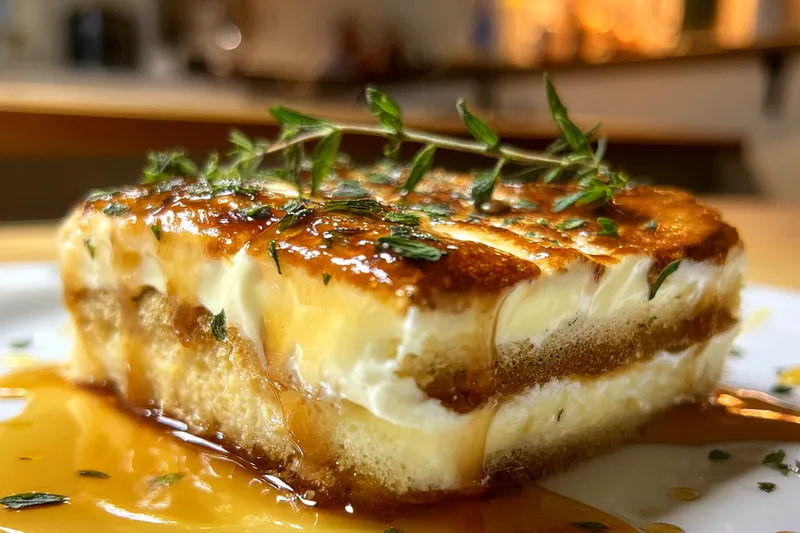
The cooking process for Classic Tiramisu involves careful preparation and layering to achieve the best results. Start by whisking the egg yolks and sugar, then gently heat to create a custard base. Once cooled, fold in the mascarpone and whipped cream, ensuring a light and airy texture. The ladyfingers must be soaked quickly in the coffee mixture to infuse them with flavor without losing their structure.
After layering the soaked ladyfingers and mascarpone mixture, the tiramisu must chill for at least four hours to set properly. This resting period is crucial as it allows the flavors to meld and the dessert to firm up. Once chilled, dust the top with cocoa powder just before serving for a classic presentation. The contrast of the creamy layers with the dusted cocoa creates an inviting and delicious final dish.
Key Technique
The key technique in making Classic Tiramisu is the careful folding of the whipped cream into the mascarpone mixture. This step is essential for creating the light and creamy texture that tiramisu is known for. Gently folding rather than stirring helps maintain the airiness of the whipped cream, resulting in a luxurious dessert. Mastering this technique will elevate your tiramisu and impress your guests with its fluffy texture.
Classic Tiramisu
📋 Ingredients
Main Ingredients
- 1 cup strong brewed coffee, cooledfor soaking ladyfingers
- 3 tablespoons coffee liqueur (optional)adds depth of flavor
Sauce/Seasoning
- 6 egg yolksfor the base
- 3/4 cup granulated sugarfor sweetness
- 2/3 cup milkto create custard
- 1 cup heavy creamfor fluffiness
- 1 cup mascarpone cheesefor creaminess
- 1 package ladyfinger cookiesto layer
- 2 tablespoons cocoa powderfor topping
- 1 teaspoon vanilla extractfor flavor
- Pinch of saltto enhance flavors
Instructions
Prepare the Egg Mixture
In a large mixing bowl, whisk together the egg yolks and granulated sugar until the mixture is pale and fluffy. Heat the milk in a saucepan, then gradually pour it into the egg mixture while whisking continuously. Return this mixture to the saucepan and cook over low heat, stirring constantly until it thickens slightly.
Mix in Mascarpone
Remove the saucepan from heat and let it cool. Once cooled, fold in the mascarpone cheese until the mixture is smooth and creamy. In another bowl, whip the heavy cream until stiff peaks form, then gently fold it into the mascarpone mixture.
Prepare the Coffee Mixture
In a shallow dish, combine the cooled brewed coffee and coffee liqueur (if using). Stir well to combine, ensuring the flavors meld together. This coffee mixture will be used to soak the ladyfingers.
Soak the Ladyfingers
Briefly dip each ladyfinger into the coffee mixture, ensuring they are soaked but not soggy. Layer the soaked ladyfingers in the bottom of a serving dish or a 9x9 inch pan, creating an even base for the tiramisu.
Layer the Mixture
Spread half of the mascarpone mixture over the layer of soaked ladyfingers, smoothing it out evenly. Repeat the process with another layer of soaked ladyfingers, followed by the remaining mascarpone mixture.
Chill the Tiramisu
Cover the dish with plastic wrap and refrigerate for at least 4 hours, preferably overnight. This chilling time allows the flavors to meld beautifully and the tiramisu to set.
Serve and Garnish
Before serving, dust the top with cocoa powder for a classic finish. Slice into squares and serve chilled for the best experience. Enjoy with a cup of espresso or a sweet dessert wine.
Recipe Notes & Tips
Storage Tips
Store leftover tiramisu in the refrigerator, covered, for up to 3 days. Proper storage will help maintain its freshness and flavor. Avoid leaving it at room temperature for extended periods to prevent spoilage. If possible, consume within the first couple of days for the best texture.
Serving Ideas
Classic Tiramisu is perfect for special occasions and can be served with a side of fresh berries or a drizzle of caramel sauce for added flair. Pair with coffee or dessert wine to enhance the flavors. Consider garnishing with chocolate shavings or mint leaves for an elegant touch. This versatile dessert is sure to impress your guests anytime.
Variations
Feel free to experiment with flavors by adding different extracts such as almond or hazelnut to the mascarpone mixture. You can also create a fruit-infused version by incorporating pureed berries or citrus zest. For a chocolate twist, consider adding cocoa powder to the ladyfinger soak. These variations can add a refreshing twist while keeping the essence of traditional tiramisu.