Classic Homemade Margherita Pizza
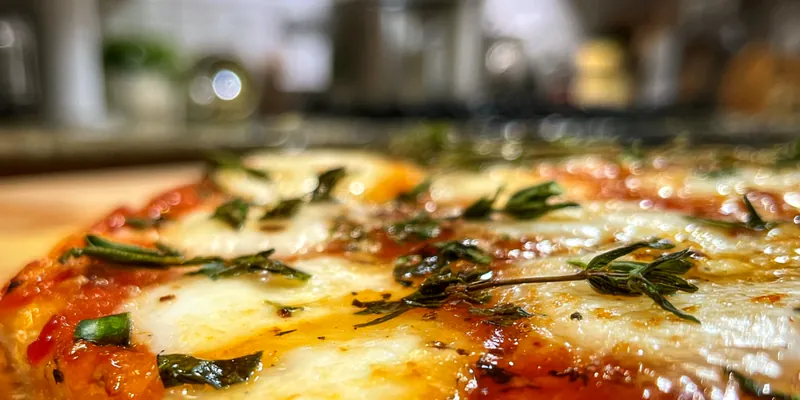
Classic Homemade Margherita Pizza is a timeless dish that combines simplicity with rich flavors. Originating from Naples, this pizza showcases the beauty of fresh ingredients. With its thin crust, luscious tomato sauce, and creamy mozzarella, it’s ideal for any occasion, whether casual family dinners or sophisticated gatherings. The bright taste of fresh basil adds a vibrant touch, making each bite delightful. This recipe is not only easy to follow but also brings the authentic taste of Italy right to your kitchen.

Why This Classic Homemade Margherita Pizza Works
The success of a Classic Margherita Pizza lies in its simplicity and the quality of its ingredients. Using fresh, high-quality tomatoes, mozzarella, and basil is essential for an authentic flavor. The key is a good balance between the sauce and cheese, allowing each ingredient to shine without overpowering the others. Additionally, the dough needs to be properly kneaded and rested to develop gluten, creating a chewy yet crispy crust. This pizza celebrates the essence of Italian cooking, where less is often more.
What makes Margherita pizza special is its rich history and connection to Italy. Legend has it that this pizza was named after Queen Margherita of Savoy, reflecting the colors of the Italian flag: red tomatoes, white mozzarella, and green basil. This symbolic representation makes it not just a dish, but a cultural icon. The combination of fresh ingredients creates a delightful harmony of flavors, making each bite a celebration of Italian heritage. Whether you're a novice cook or a seasoned chef, this recipe is designed to bring the taste of Italy into your home.
💡 Professional Tip
For the best results, use a pizza stone to bake your Margherita pizza. This will help achieve a crispy crust while keeping the toppings perfectly cooked. If you don't have a pizza stone, preheat a baking sheet in the oven to mimic the effect. Additionally, be cautious not to overload the pizza with toppings; less is more for a classic Margherita. Finally, using fresh mozzarella will enhance the flavor, so try to find high-quality cheese for the best results.
Frequently Asked Questions
Yes, you can prepare the dough ahead of time and store it in the refrigerator. This allows the flavors to develop further. You can also make the sauce in advance and keep it in an airtight container. However, it's best to assemble and bake the pizza just before serving to enjoy the freshest taste and texture. If you have leftover pizza, it can be reheated without losing its quality.
If you can't find fresh mozzarella, you can use low-moisture mozzarella as an alternative. For a gluten-free option, substitute all-purpose flour with a gluten-free flour blend. If fresh basil isn't available, you might use dried basil, but the flavor will differ slightly. Additionally, feel free to experiment with different types of tomatoes, like San Marzano or heirloom, for a unique taste. Remember that substitutions may alter the final flavor and texture.
Your Margherita pizza is done when the crust is golden brown and the cheese is bubbly and slightly browned. A good indicator is to check the bottom of the crust; it should be firm and crispy. If you have an instant-read thermometer, the internal temperature should reach around 200°F (93°C). The aroma of baked cheese and fresh basil will also be a good sign that your pizza is ready to be taken out of the oven.
Yes, you can freeze the pizza before baking it. Assemble the pizza, then wrap it tightly in plastic wrap and aluminum foil to prevent freezer burn. When you're ready to eat it, bake from frozen, increasing the baking time slightly. However, it's best to freeze the dough separately and use it fresh when possible. This way, you'll maintain the best flavor and texture.
Margherita pizza pairs well with a simple arugula salad dressed with olive oil and lemon. A light antipasto platter with olives, cured meats, and cheeses can complement the flavors nicely. For beverages, consider serving a crisp white wine or a light lager. Additionally, a refreshing Italian soda can enhance the dining experience. Keeping sides simple allows the pizza to remain the star of the meal.
Leftover Margherita pizza can be stored in the refrigerator for up to 3 days. Make sure to wrap it in plastic wrap or place it in an airtight container to maintain freshness. Reheating in the oven will help restore some of its original texture. If you have leftover dough, it can be stored in the fridge for about 2-3 days or frozen for up to a month. Just ensure it is well-wrapped to prevent drying out.
For a bit of heat, consider adding crushed red pepper flakes to the sauce or sprinkling them on top before serving. If you enjoy a more robust flavor, try incorporating a dash of black pepper or even some fresh sliced chili peppers. Just remember to start with small amounts and adjust to your taste. The goal is to enhance the pizza's flavor without overwhelming the classic Margherita experience.
The best way to reheat Margherita pizza is in the oven. Preheat the oven to 375°F (190°C) and place the pizza directly on the rack for about 10 minutes. This method helps restore the crispiness of the crust. If you're in a hurry, you can use a microwave, but be aware that it may result in a softer crust. For a quick fix, a skillet on low heat can also work well to heat the pizza while keeping the crust crispy.
Recipe Troubleshooting Guide
Too Dry
Problem: If your pizza turns out too dry, it may be due to overbaking or using too much flour while rolling the dough.
Solution: Next time, try reducing the baking time slightly and ensure you're using just enough flour to prevent sticking. Monitor your oven's temperature as it may run hotter than indicated.
Not Crispy
Problem: A soggy crust can result from adding too many toppings or not preheating your oven sufficiently.
Solution: To achieve a crispy crust, make sure to limit toppings and preheat your pizza stone or baking sheet before placing the pizza in the oven.
Overcooked
Problem: Overcooking can lead to a burnt crust or excessively browned cheese.
Prevention: To avoid this, keep a close watch on your pizza, especially during the last few minutes of baking. Adjust the oven rack as needed to prevent burning.
Undercooked
Problem: If the pizza is undercooked, the dough may still be doughy or the cheese might not have melted properly.
Recovery: Increase the baking time, and consider lowering the oven temperature slightly to allow the crust to cook through without burning the toppings.
Burnt
Problem: Burnt pizza often indicates an overly hot oven or too much time on the baking stone.
Prevention: Next time, try reducing the oven temperature and keep an eye on the pizza as it bakes to prevent burning.
Flavor Balance
Too Sweet: If your pizza tastes too sweet, it may be due to excess sugar in the sauce or overly sweet tomatoes.
Too Salty: A salty flavor can result from too much salt in the sauce or cheese. Adjust seasoning accordingly next time.
Bland: A bland pizza may lack sufficient seasoning or fresh ingredients. Be sure to taste and adjust the sauce and toppings.
Key Ingredients
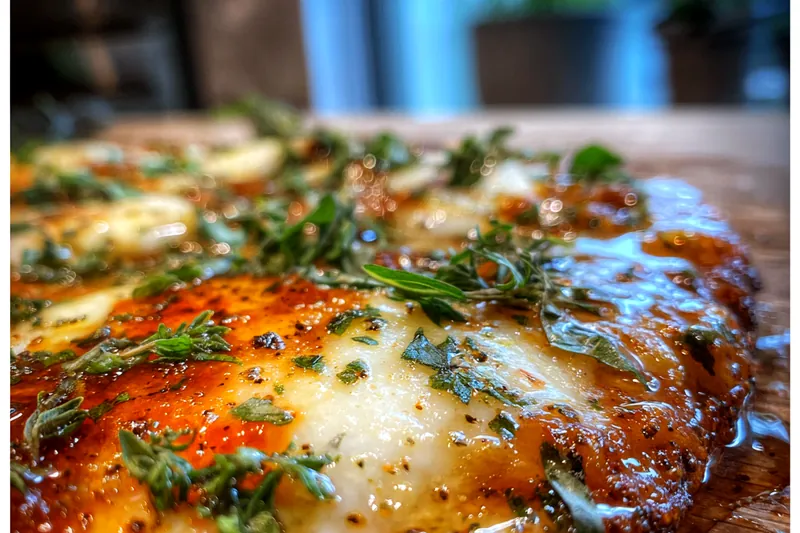
The star of Margherita pizza is undoubtedly the mozzarella cheese. Fresh mozzarella is soft and creamy, providing a delightful texture that melts beautifully. It’s crucial to use high-quality cheese for the best flavor. Additionally, the choice of tomatoes impacts the sauce significantly; San Marzano tomatoes are often preferred for their sweetness and low acidity. Flour also plays a vital role in the dough, as the right type helps achieve the perfect balance of chewiness and crispiness.
Seasonings are equally important in enhancing the overall flavor profile. Fresh basil gives a vibrant touch and aromatic quality, elevating the dish to new heights. A simple combination of salt, pepper, and a hint of sugar helps round out the sauce, ensuring it’s well-balanced. Olive oil adds richness and depth, while the right amount of sugar can counteract acidity in the tomatoes. Together, these ingredients create a harmonious blend that makes Classic Homemade Margherita Pizza unforgettable.
Essential Ingredient Notes
- Main Ingredient: The main ingredient for a perfect Margherita pizza is fresh mozzarella. This cheese should be stored in water until ready to use for optimal freshness. When sliced, it should be soft and creamy, melting beautifully over the pizza. Aim for high-quality, artisanal mozzarella for the best flavor.
- Second Key Ingredient: Fresh basil is another essential component of Margherita pizza. Adding basil just after baking preserves its bright color and flavor. Look for vibrant, green leaves without any browning or wilting. Incorporating fresh basil will elevate the dish and provide an authentic taste.
- Essential Seasoning: High-quality extra virgin olive oil is crucial for drizzling on top of your pizza before serving. It adds richness and depth to the flavors. Opt for a fresh, fruity oil to complement the other ingredients. A sprinkle of sea salt just before serving can also enhance the overall taste.
Cooking Process
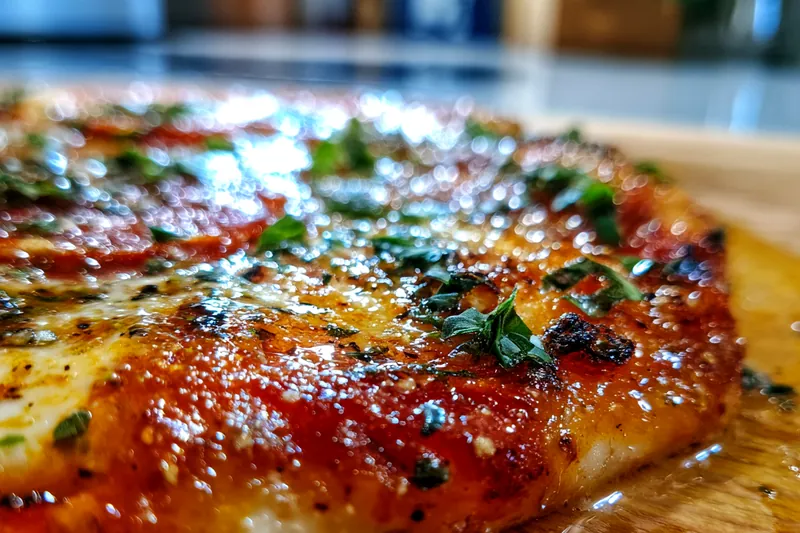
Cooking Margherita pizza is an art that requires attention to detail. Start by ensuring your oven is preheated sufficiently to create that ideal crispy crust. The key is to bake at high heat, allowing the pizza to cook quickly while keeping the toppings fresh. Once the dough is shaped, be sure to assemble it with care, layering the sauce, cheese, and basil evenly for balanced flavor in each bite. The right cooking technique guarantees a delightful outcome.
After baking, let the pizza rest for a minute before slicing to allow the cheese to set slightly. This helps prevent the toppings from sliding off when you cut the pizza. For a final touch, drizzle a bit of extra virgin olive oil over the pizza just before serving for added flavor and visual appeal. Take the time to savor the aromas and flavors as you gather around the table with family and friends, creating a memorable meal together.
Key Technique
The key technique for making perfect Margherita pizza lies in the dough preparation and baking method. Ensure that the dough is well-kneaded and has enough time to rise, creating a light and airy crust. Baking at a high temperature allows the crust to develop those delightful charred spots while keeping the cheese gooey and delicious. Pay attention to the timing; every oven is different, so keep an eye on your pizza as it cooks. Finally, adding basil after baking retains its vibrant flavor and aroma.
Classic Homemade Margherita Pizza
📋 Ingredients
Main Ingredients
- 1 cup crushed tomatoesfor the sauce
- 1 teaspoon sugarto balance acidity
- Salt and pepper to tastefor seasoning
Sauce/Seasoning
- 2 cups all-purpose flourfor the dough
- 1 teaspoon active dry yeastfor rising
- 1 teaspoon saltfor flavor
- 3/4 cup warm waterto activate yeast
- 1 tablespoon olive oilfor richness
- 8 ounces fresh mozzarella cheese, slicedfor topping
- 1/4 cup fresh basil leavesfor garnish
Instructions
Prepare the Dough
In a mixing bowl, combine flour, yeast, salt, warm water, and olive oil. Knead the mixture until smooth, then let it rise for about 30 minutes.
Preheat the Oven
While the dough is rising, preheat your oven to its highest setting, typically around 500°F (260°C). This ensures a crispy crust.
Shape the Dough
Once risen, punch down the dough and roll it out on a floured surface. Shape it into a round pizza base, about 12 inches in diameter.
Prepare the Sauce
In a bowl, mix the crushed tomatoes with sugar, salt, and pepper. Adjust the seasoning to your taste.
Assemble the Pizza
Spread the sauce evenly over the pizza base, leaving a small border for the crust. Add slices of fresh mozzarella on top.
Bake the Pizza
Transfer the pizza to a preheated pizza stone or baking sheet and bake for 10-15 minutes. The cheese should be bubbly and the crust golden.
Add Fresh Basil
After baking, remove the pizza from the oven and immediately top with fresh basil leaves. The heat will slightly wilt the basil.
Slice and Serve
Let the pizza cool for a couple of minutes before slicing. Serve hot and enjoy your homemade Margherita pizza!
Recipe Notes & Tips
Storage Tips
Store any leftover pizza in the refrigerator for up to 3 days. Wrap it tightly in plastic wrap or place it in an airtight container to maintain its freshness. When reheating, the oven works best to restore that crispy crust. For any leftover dough, keep it in a sealed container in the fridge for a few days, or freeze it for longer storage.
Serving Ideas
Pair your Margherita pizza with a light arugula salad drizzled with lemon vinaigrette for a refreshing contrast. An antipasto platter featuring olives, salami, and cheeses also complements the flavors beautifully. For drinks, consider serving a chilled white wine or sparkling water to enhance the dining experience. This simple yet delicious combination makes for a perfect meal for any gathering.
Variations
Feel free to customize your Margherita pizza by adding toppings like sliced tomatoes, artichokes, or even prosciutto for a twist. If you prefer a spicy kick, consider adding crushed red pepper flakes or jalapeños. You can also experiment with different cheese types, like burrata or goat cheese, for unique flavors. Just remember that the essence of Margherita lies in its simplicity, so choose toppings that complement rather than overwhelm.